
Understanding the Transition from PSTN to Modern Communication Solutions


The transition from copper-based analogue line services (PSTN phones and WLR) to modern digital alternatives has been a significant focus for BT and Openreach. The Public Switched Telephone Network (PSTN) switch-off involves retiring the old copper-based phone lines and replacing them with more advanced digital systems, such as Voice over Internet Protocol (VoIP). This move aims to improve reliability, support modern communication needs, and prepare for future technological advancements. Initially planned for completion by December 2025, this transition has now been delayed until 31st January 2027. This extension aims to provide broadband ISPs, telecare providers, and consumers with more time to adapt to the new infrastructure.

The New Timeline

The decision to extend the deadline was made to give broadband ISPs, telecare providers and consumers more time to adapt to the changes. This transition is a significant shift in the telecommunications landscape, and adequate preparation time is essential to ensure a smooth and efficient migration.

BT stated, “Following the industry-wide pause to non-voluntary migrations in December 2023, we now expect to have migrated all customers off the PSTN by the end of January 2027, allowing us to align the programme with full-fibre broadband customer upgrades where available.”

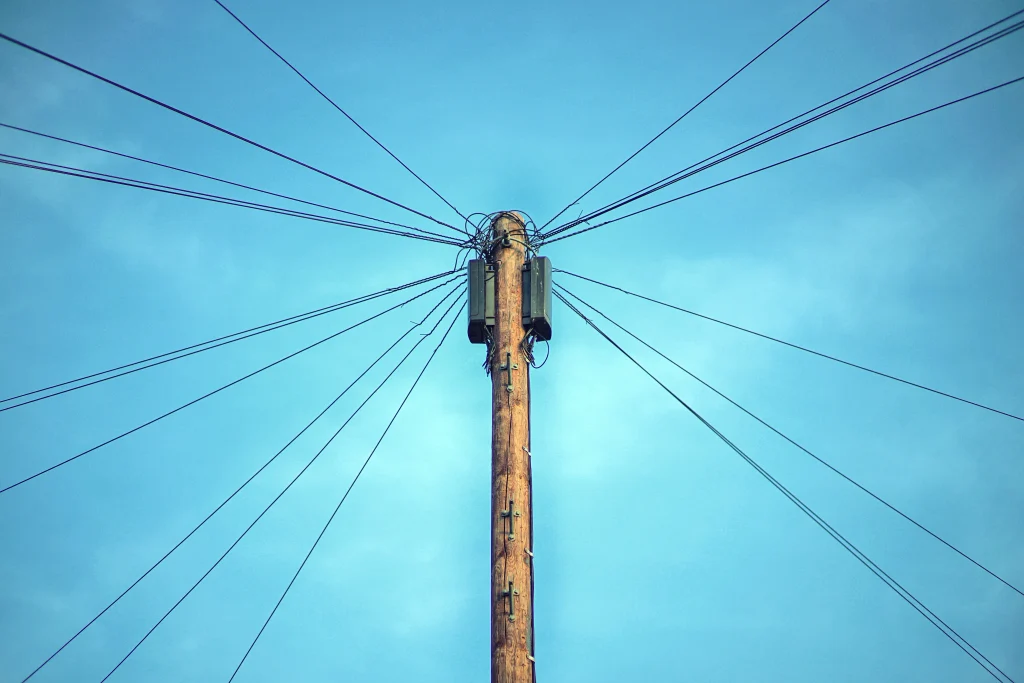
Telephone Pole

Why the Delay?

The extension to January 31, 2027, was not well signposted following the press release. BT and Openreach’s decision to delay the withdrawal of copper services aims to ensure that all customers, including those relying on critical telecare services, have ample time to transition to more modern, reliable communication technologies.

Impact on Businesses and Consumers

The move from PSTN and WLR services to modern digital communication solutions is crucial for enhancing the UK’s telecommunications infrastructure. However, this shift also presents challenges and opportunities for businesses and consumers alike:

  1. Broadband ISPs: Providers need additional time to upgrade infrastructure and ensure service continuity for their customers.
  2. Telecare Providers: The extended timeline allows for a smoother transition to digital telecare solutions, ensuring that vulnerable individuals remain connected and safe.
  3. Consumers: With more time to adapt, consumers can explore and transition to modern alternatives like VoIP and fibre broadband without the pressure of an imminent deadline.

The Future of Communication

The withdrawal of copper-based services marks a significant milestone in the evolution of the UK’s communication infrastructure. The transition to full-fibre broadband and VoIP services promises faster, more reliable, and more efficient communication for everyone.

What Should You Do?

  1. Stay Informed: Keep abreast of updates from BT, Openreach and your service providers about the transition timeline and any steps you need to take.
  2. Evaluate Your Current Services: Consider the benefits of switching to modern communication solutions such as VoIP and fibre broadband, which offer superior performance and reliability.
  3. Plan Ahead: If you rely on PSTN services, start planning your transition now to avoid any disruptions when the copper network is eventually phased out.
business people working using technology connect with others

Conclusion

The delay in withdrawing BT and Openreach’s old copper-based analogue line services provides a crucial window of opportunity for all stakeholders to prepare for the future of communication. As we move towards a fully digital infrastructure, staying informed and proactive will ensure that the transition is as smooth and beneficial as possible.

For more information, you can view the full press release here.

Our Commitment

At Fusion Telecoms, we are committed to helping businesses and consumers navigate this transition smoothly. We offer a range of modern communication solutions designed to replace outdated PSTN systems, ensuring you stay connected with minimal disruption. Contact us today to learn more about how we can support your transition to modern digital communications.